Blog
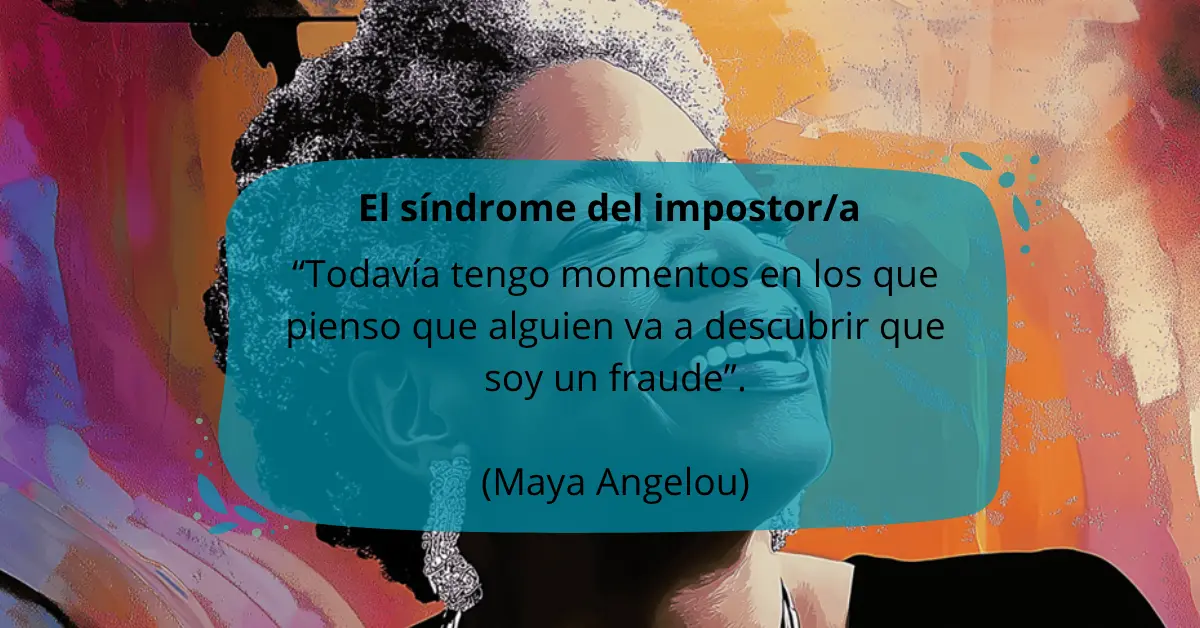
The Imposter Syndrome: Why You Feel You're Not Enough
Imposter syndrome is the feeling of not being enough, even when you have real achievements. It doesn't reflect your ability, but rather a demanding and critical way of looking at yourself. More than doing more, you need to change your relationship with yourself and recognize your own worth.

How to Know If Your Teenager Needs to See a Psychologist
Adolescence is a stage of emotional, social, and personal changes that can sometimes be difficult for both young people and their families. While mood swings are common, there are signs that may indicate a teenager needs psychological support. Persistent sadness, isolation, behavioral changes, or communication difficulties can be warning signs. Seeking help early can help the teenager understand their emotions and develop tools to manage them. Accompanying them with listening and support is key during this stage of their life.
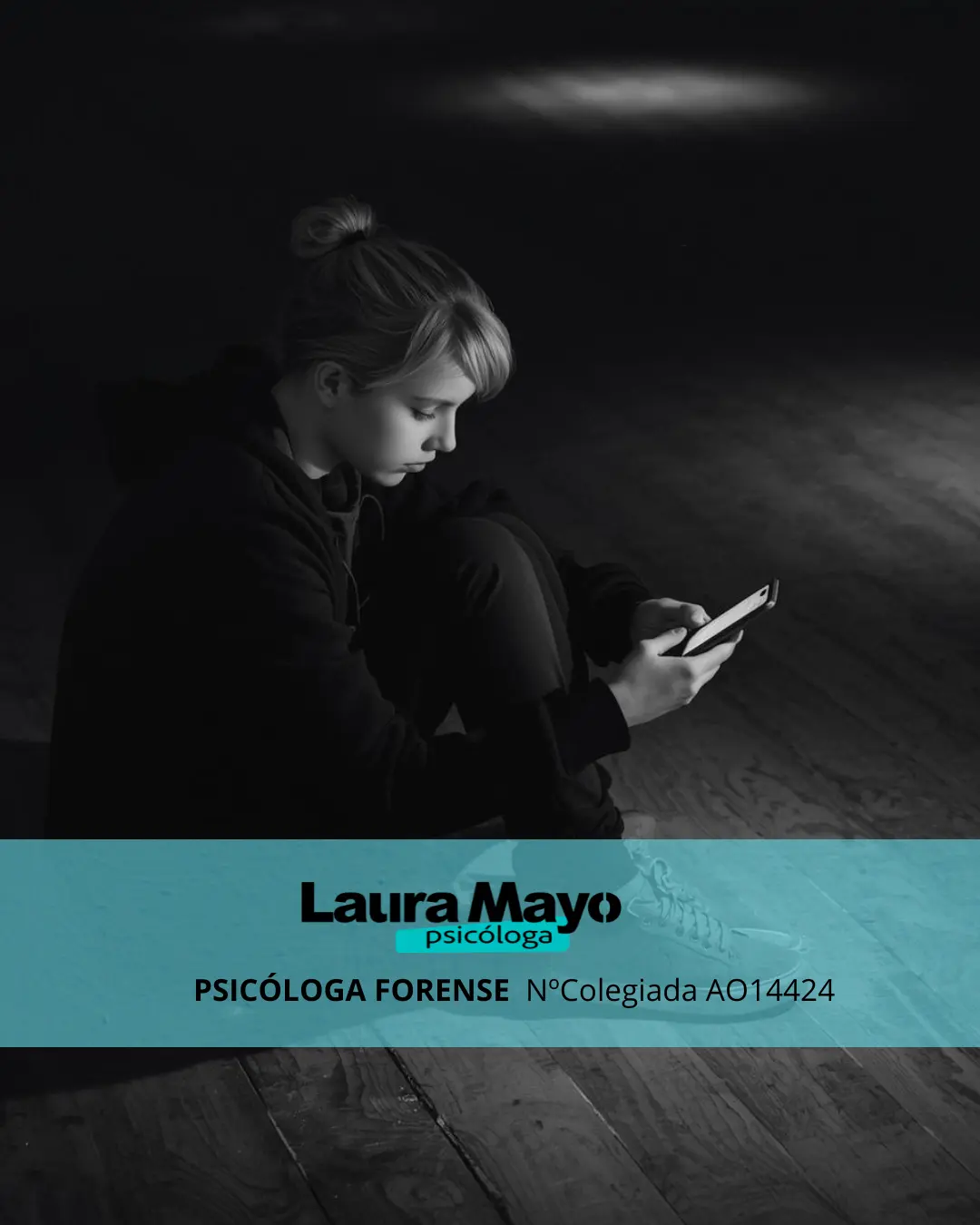
Adolescence and Addictions: Understanding What Lies Behind Consumption
Adolescence is a vulnerable stage where substance use or behavioral addictions often serve an emotional function. Behind consumption, there are often difficulties in emotional regulation, a search for belonging, or unmet needs. New addictions, such as excessive screen time or video game use, activate the same reward circuits as substances. Prevention is based on strengthening self-esteem, family communication, and emotional skills. Early intervention and professional support can make a significant difference in an adolescent's development.
.webp?alt=media&token=d4b45b77-ed49-4689-a6ff-eaa85a150ec6)
When the Damage Leaves No Visible Marks
Psychological violence is a form of abuse that leaves no visible marks, but does cause a profound emotional and functional impact. From a forensic psychology perspective, it is understood as a sustained relational dynamic of control, devaluing, or subjugation, evaluable through the analysis of the pattern, the consistency of the narrative, and the psychological consequences. Understanding and naming this type of harm is key to making it visible, addressing it clinically, and evaluating it rigorously in the judicial sphere.
%20copia%202.webp?alt=media&token=b0dd67d7-4e1b-4fb4-b0da-8805110669a3)
Why Repeating Patterns Isn't Always a Lack of Willpower
Repeating patterns is not a matter of a lack of willpower, but the result of emotional learning and neural circuits consolidated over time. From a psychological perspective, these patterns are understood as adaptive strategies that originally served a regulatory function. Psychological change requires awareness, emotional regulation, and repeated new experiences, beyond the simple desire to change.
%20copia.webp?alt=media&token=516ab240-0fa0-4a89-933f-a3df688b7e21)
Learning to Set Boundaries Without Feeling Selfish
Many people find it difficult to set boundaries because they have learned to associate 'saying no' with guilt, rejection, or selfishness. This article explores what lies behind this difficulty, the fear that sustains it, and why setting boundaries is not a selfish act, but one of self-care. Learning to respect oneself is key to preventing emotional burnout and building healthier relationships.
.webp?alt=media&token=681fa36e-7b78-4025-bd27-bdf0ead40b7a)
Christmas and Emotions: Why These Dates Stir Us So Much
Christmas can awaken intense and contradictory emotions, especially when our reality doesn't fit the ideal image set by society. Absences, conflicts, grief, or emotional exhaustion often become more visible during this time. This article invites you to understand why this happens and to validate that everyone experiences Christmas in their own way, without judgment or demands.

The Importance of Mental Health in Modern Times
Discover why taking care of your mind is as important as taking care of your body in this fast-paced world.
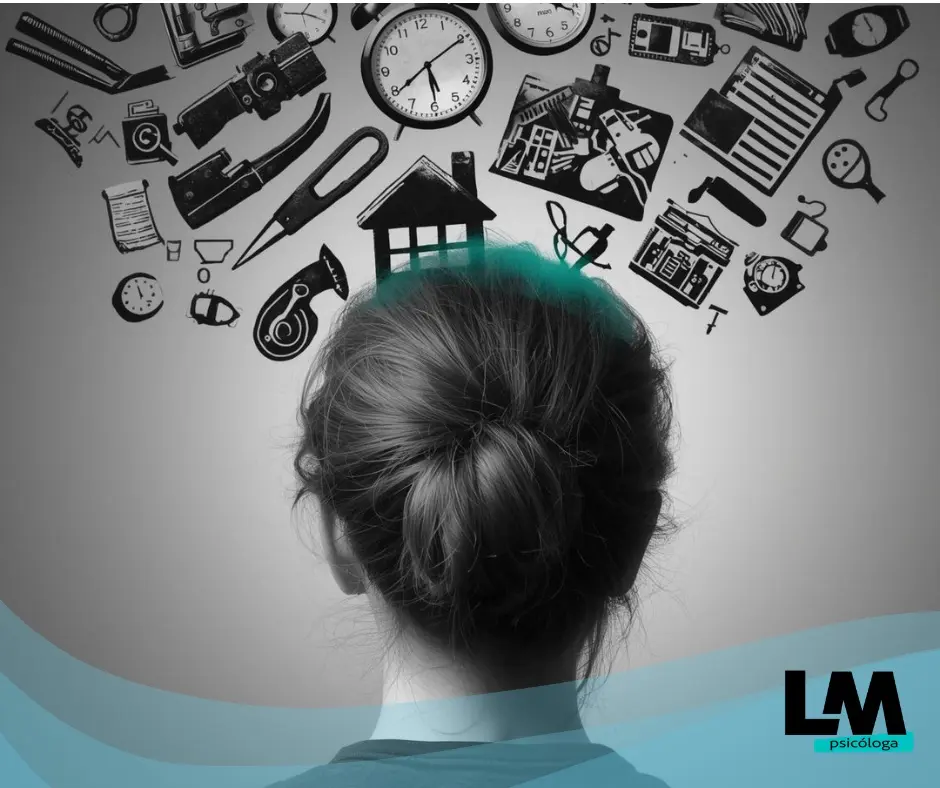
The Invisible Load: Why So Many Women Live Exhausted (and How to Start Letting Go)
The invisible load is the mental and emotional work that many women perform unseen, but which leaves them exhausted. In this article, I explain why it particularly affects women and what the most common signs are. I also suggest simple steps to start shedding weight and regaining well-being.
I am passionate about helping people find emotional well-being and personal growth. My approach combines empathy, knowledge, and practical tools to accompany you on your path to a fulfilling life.